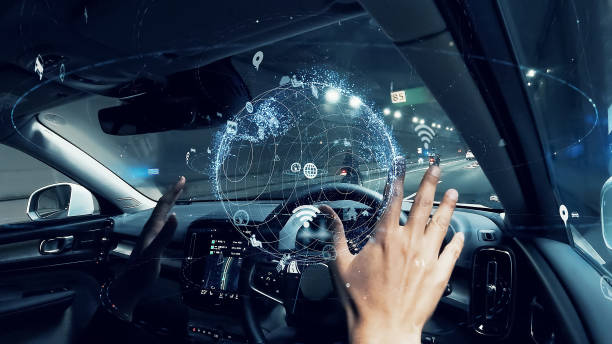
Road safety used to depend mostly on driver skill, attention, and a bit of luck. If someone made a mistake, there wasn’t much a car could do to correct it. But things have changed a lot in the past decade. Modern car technology is not just about comfort or speed anymore—it’s actually helping prevent accidents and saving lives in ways we couldn’t imagine earlier.
Today, cars are becoming smarter, almost like a co-driver sitting beside you, constantly watching the road and reacting faster than humans ever could.
The Shift from Passive to Active Safety
Earlier, safety features in cars were mostly “passive.” This means they would protect you after an accident happened. Seatbelts, airbags, and strong body structures are good examples. They reduce injuries but don’t stop the crash itself.
Now, the focus has shifted to “active safety.” These systems try to avoid accidents in the first place. Technologies like automatic braking, lane assistance, and blind-spot detection are designed to step in before something goes wrong.
It’s kind of like the difference between wearing a helmet and having something that stops you from falling off your bike altogether. Both are important, but prevention is always better.
Advanced Driver Assistance Systems (ADAS)
One of the biggest breakthroughs in road safety is ADAS, or Advanced Driver Assistance Systems. These features use sensors, cameras, and radar to monitor surroundings.
Cars today can warn you if you’re drifting out of your lane, or if another vehicle is too close. Some systems even adjust speed automatically depending on traffic conditions.
What’s interesting is how natural these systems feel once you get used to them. At first, it might seem like the car is interfering too much. But over time, drivers realize it actually reduces stress, especially on long highway drives.
Automatic Emergency Braking
This is one feature that has made a real difference. Automatic Emergency Braking (AEB) detects obstacles ahead and applies brakes if the driver doesn’t react in time.
Imagine you’re distracted for just a second—maybe checking your mirrors or adjusting music—and the car in front suddenly stops. AEB can react faster than you and either reduce the impact or avoid the crash completely.
Many real-world studies have shown that cars with AEB have fewer rear-end collisions. It’s one of those technologies that quietly does its job but can be life-saving in critical moments.
Lane Keeping and Steering Assistance
Drifting out of your lane is more common than people think, especially during long drives or when feeling tired. Lane-keeping systems detect road markings and gently steer the car back into position if needed.
This doesn’t mean the car is driving itself, but it acts like a small correction mechanism. It’s especially useful on highways where even a slight mistake can lead to serious accidents.
Some systems even give steering vibrations or alerts to wake up distracted drivers. It’s a small thing, but it can prevent big problems.
Blind Spot Monitoring
Every driver has experienced that moment when a vehicle suddenly appears out of nowhere while changing lanes. That’s because mirrors don’t cover everything.
Blind spot monitoring uses sensors to detect vehicles in areas you can’t easily see. It gives visual or sound alerts when it’s not safe to change lanes.
This feature is particularly helpful in heavy traffic or crowded city roads where vehicles are constantly moving around you.
Adaptive Cruise Control
Cruise control used to be simple—you set a speed, and the car maintained it. But now, adaptive cruise control takes it a step further.
It adjusts your car’s speed automatically based on the vehicle ahead. If traffic slows down, your car slows too. When the road clears, it speeds back up.
This reduces the need for constant braking and acceleration, making driving smoother and safer. It also helps maintain a safe distance, something many drivers struggle with.
Driver Monitoring Systems
Even with all these technologies, the driver is still important. That’s why newer cars come with driver monitoring systems.
These systems track eye movement, head position, and even signs of fatigue. If the driver appears sleepy or distracted, the car gives warnings or suggests taking a break.
It might sound a bit too advanced, but honestly, it’s useful. Long drives can be tiring, and sometimes drivers don’t even realize how fatigued they are.
The Role of Artificial Intelligence
Artificial Intelligence (AI) is playing a huge role in making cars smarter. It helps vehicles understand complex road situations, recognize pedestrians, and predict possible dangers.
AI systems learn from massive amounts of data, improving over time. This means future cars will be even better at identifying risks and responding correctly.
For example, detecting a pedestrian crossing suddenly at night is not easy for a human, but AI-powered systems can do it much faster and more accurately.
Connected Cars and Real-Time Data
Another interesting development is connected car technology. Cars can now communicate with each other and even with road infrastructure.
This means your car could warn you about a traffic jam ahead, slippery roads, or an accident before you even see it. Real-time data sharing makes driving more predictable and less risky.
In the future, this network could create a fully connected road system where accidents become very rare.
Challenges and Limitations
Even though car technology is improving safety, it’s not perfect. Drivers sometimes rely too much on these systems and become less attentive.
There are also situations where sensors may not work properly, like during heavy rain or fog. That’s why it’s important to understand that these features assist drivers, not replace them completely.
Another challenge is cost. Advanced safety features are often available in higher-end models, making them less accessible to everyone. But slowly, these technologies are becoming more common in budget cars too.
The Future of Road Safety
Looking ahead, the future seems promising. Self-driving cars are already being tested, and they could reduce human error, which is the cause of most accidents.
While fully autonomous vehicles might still take time to become mainstream, the technologies being developed today are already making roads safer.
It’s kind of amazing to think how far we’ve come—from basic seatbelts to cars that can think, react, and even predict danger.
Final Thoughts
Car technology is no longer just about luxury or performance. It’s becoming a critical part of road safety. Features like automatic braking, lane assistance, and driver monitoring are quietly working in the background, making every journey safer.
Of course, no technology can replace responsible driving. But with these advancements, the chances of accidents are definitely reducing.
In a way, modern cars are not just machines anymore—they’re becoming partners in driving, helping us stay safe on the road every single day.